
होमField HockeyConsistency in Hockey: The Balance of Scientific Training, Local Talent and Sports Data
Consistency in Hockey: The Balance of Scientific Training, Local Talent and Sports Data
हॉकी में दीर्घकालिक सफलता के लिए स्थानीय प्रतिभा की पहचान, वैज्ञानिक प्रशिक्षण, डेटा-आधारित विश्लेषण, पारदर्शी चयन और खिलाड़ी कल्याण को एक साथ जोड़ना जरूरी है।
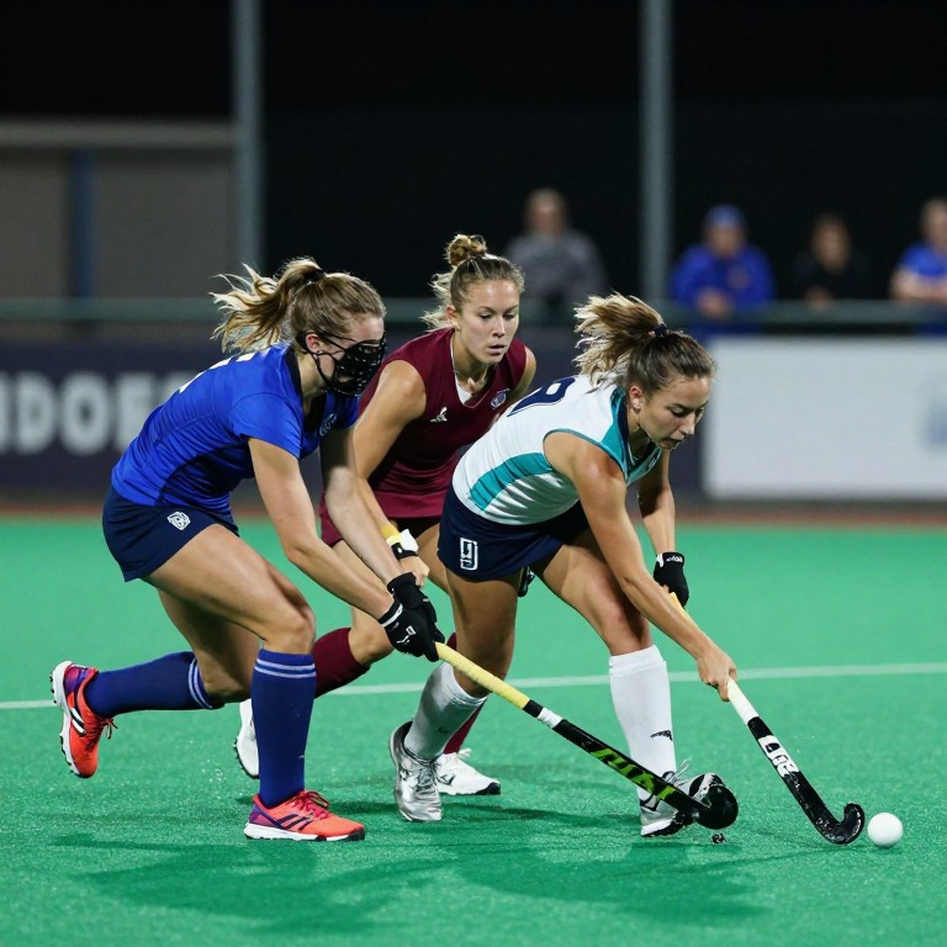
Hockey special report: In modern hockey, success is not measured only by goals scored in one match or the result of a single tournament. Consistent performance over a long season, injury prevention, adaptation to changing conditions and the ability to make the right decisions under pressure have become more important. The speed, physical demands and technical nuances of hockey make it necessary to convert talent into consistency through structured training and planning. This report focuses on the side of hockey that often stays out of headlines—the process from grassroots to top performance.
Modern hockey has become faster and physically tougher than before. Quick counter-attacks, constant pressing, short passes and the precision of penalty corners have increased the demand for all-round ability. Relying only on technical skill or only on fitness is not enough. Teams need a training model in which technique, strategy, fitness, mental preparation and recovery are connected. This balance helps keep performance stable over long tournaments.
Grassroots is the backbone of hockey. School, college, district and state-level competitions give players match experience and bring their talent forward. But talent identification should not be limited to competition scores. Coaches should also observe a player's speed, decision-making, team spirit, willingness to learn and behaviour under pressure. A strong scouting network and regular trials can reach players who live outside big cities.
Scientific training does not mean only spending hours in the gym. It means planning training by understanding a player's capacity, fatigue and recovery. Proper management of training load reduces injuries and improves performance. Sleep, nutrition, hydration and mental rest should be treated as part of training. Especially in young players, linking more training with good training can be dangerous. Quality and consistency matter more than quantity.
Sports data and video analysis are an important part of hockey preparation today. Analysing match recordings, penalty-corner structures, opponents' pressing patterns and goalkeeper positioning makes strategy clearer. Wearable data can help understand players' running, sprints and fatigue. But data should not replace coaching; it is an aid to decision-making. Data must be combined with the player's experiential understanding and the coach's vision.
In hockey, balancing defensive structure and attack is difficult. Playing too aggressively increases risk, while an overly defensive approach reduces the ability to create pressure. Teams should adopt a flexible strategy according to the match situation. Penalty-corner expertise is useful, but relying only on it can be dangerous. There should also be a separate plan for field goals, rebounds and quick counters. Variety is what makes a team difficult for opponents to read.
Player welfare should be seen not as a luxury for performance but as a necessary investment. Mental health support, education and career alternatives, rehabilitation after injury and financial security are factors that keep a player in the game for longer. Many talents leave sport because of pressure, insecurity or limited opportunities. Academies and associations should create a safe environment where players can openly discuss their problems. This is necessary not only from a humanitarian point of view but also beneficial for performance.
Continuity matters greatly in the coaching ecosystem. If each age group is trained with a different basic philosophy, a player's development can become fragmented. It would be better to develop a clear sporting philosophy at national and state levels and have coaches implement it. Certified coaching courses, regular refreshers and platforms for sharing experience are necessary. A coach should evaluate not only results but also a player's long-term development.
Infrastructure remains a major obstacle to hockey development. Good turf, safe equipment and regular training facilities are not available in every region. Even where facilities exist, maintenance and access can be a problem. Public and private participation can provide synthetic turf, fitness centres and medical support at local levels. School and panchayat sports grounds also need to be made useful for hockey. Care must be taken that facilities do not remain limited to cities.
Transparency in the selection process builds players' trust. There should be clear criteria, continuous performance evaluation and disclosure of fitness parameters. Selection or exclusion based on a single tournament can both be risky. Players should know in advance about workload and rotation. This reduces dissatisfaction and prevents unnecessary pressure on team management. Transparent communication can give talent the right opportunities.
The role of media and fans is also important. Excessive praise or excessive criticism of a young player after one match can both be harmful. National team performance should be evaluated not only by wins and losses but also by process, improvement and the level of competition. Positive support from fans can help players perform better under pressure. Balanced coverage strengthens sports culture and reduces unrealistic expectations.
Women's hockey and other inclusive programmes should get equal opportunities. Equality in training, facilities, medical support and media coverage will expand the reach of the game. A safe environment, proper guidance and family support are necessary for girls. Social barriers still exist in many regions, so awareness and participation of local role models are important. Inclusion is not only a social responsibility but also the use of a larger pool of talent.
The international calendar and tournament planning have a direct impact on players' fitness. Constant travel, changing climates and short recovery periods increase the risk of injury. Team management should plan peaking for major tournaments by keeping players' workloads in mind. Resting experienced players in some competitions and giving opportunities to youngsters can benefit in the long run. Planned rotation also increases team depth.
Mental preparation plays a decisive role in hockey. Under the pressure of a penalty corner, a last-minute goal or a major tournament, a player's thinking can change the result. Regular psychological support, concentration exercises and simulation training can help players handle pressure better. Captains and senior players should create an environment of safe communication in the team. Mental strength, like fitness, develops through regular practice.
Young players should have a clear development pathway. The process from district to state, state to national camp and national team should be understandable. Along with age-group competitions, coordination with education and professional security is necessary. For players who will not reach the top level, career options such as coaching, refereeing or sports management should remain open. A broad development pathway prevents talent from dropping out.
The conclusion is clear: there is no shortcut to sustained success in hockey. Identifying local talent, scientific training, data-based analysis, transparent selection, better infrastructure and player welfare are interconnected. Excessive emphasis on any one aspect can upset the balance. Real improvement happens in everyday processes—recovery, scouting, coaching communication and honest post-match review. A sports system that values process can deliver reliable performance in moments of pressure.
संबंधित खिलाड़ी
अनुशंसित
Five Matches, Seven Days, a Fourteen-Day Camp: Bangladesh's Real Test Isn't India, It's the Bench2026-10-24
Trinity-Thomian Hockey Encounter: An Unforgettable Battle of Skill, Passion, and School Pride2026-10-26
Five Matches, Seven Days, Two Back-to-Backs: Bangladesh's Real Opponent Is the Calendar2026-10-23
Five Matches, Seven Days, Two Back-to-Backs: Bangladesh's Real Opponent Is the Calendar, Not India2026-10-23
Seven Days, Five Matches, Two Zero-Rest Turnarounds: Bangladesh's Champions Trophy Story Is Written in the Calendar, Not the Scoreline2026-10-23
The 20th Trinity–Thomian Hockey Encounter: Beyond School Pride, the Question of Turf Hours2026-10-24
Consistency in Hockey: The Balance of Scientific Training, Local Talent and Sports Data2026-10-28
अनुशंसित
Five Matches, Seven Days, a Fourteen-Day Camp: Bangladesh's Real Test Isn't India, It's the Bench2026-10-24
The 20th Trinity–Thomian Hockey Encounter: Beyond School Pride, the Question of Turf Hours2026-10-24
The Empty Hockey Packet: Where There Was No Measurement, a Story Was Filled In2026-10-28
Five Matches, Seven Days, Two Back-to-Backs: Bangladesh's Real Opponent Is the Calendar2026-10-23
Seven Days, Five Matches, Two Back-to-Backs: For Bangladesh, the Real Opponent Is the Calendar2026-10-24
Five Matches, Seven Days, Two Back-to-Backs: Bangladesh's Real Opponent Is Its Own Bench2026-10-24
Five Matches in Seven Days: Bangladesh's Real Test Will Be the Calendar, Not the Opponent2026-10-23
अनुशंसित
Five Matches in Seven Days: Bangladesh's Real Test Will Be the Calendar, Not the Opponent2026-10-23
Five Matches in Seven Days, Two Zero-Rest Turnarounds: Bangladesh Hockey's Real Test Is the Calendar, Not the Camp2026-10-24
Five Matches, Seven Days, a Fourteen-Day Camp: Bangladesh's Real Test Isn't India, It's the Bench2026-10-24
Seven Days, Five Matches, Two Back-to-Backs: For Bangladesh, the Real Opponent Is the Calendar2026-10-24
Five Matches in Seven Days, Host on Day One: For Bangladesh, the Real Asian Champions Trophy Test Is the Calendar2026-10-24
Five Matches, Seven Days, Two Back-to-Backs: Bangladesh's Real Opponent Is the Calendar, Not India2026-10-23
The Empty Hockey Packet: Where There Was No Measurement, a Story Was Filled In2026-10-28