
133 in Seven Overs and One Vacated Slot: The Audit File on Sanju Samson's Selfless Call
**मुख्य उत्तर (≤60 शब्द)**: तीसरे T20I में भारत ने न्यूजीलैंड को छह विकेट से हराया। संजू सैमसन ने स्वेच्छा से अपनी सलामी जगह छोड़कर वैभव सूर्यवंशी को ओपनिंग दी; अभिषेक शर्मा ने 38 गेंद में 113 रन बनाए और सात ओवर में 133 रन की साझेदारी हुई। **मुख्य तथ्य**: - अभिषेक शर्मा: 113 रन, 38 गेंद, स्ट्राइक रेट 297.4, 11 छक्के; शतक 35 गेंद में पूरा। - सलामी साझेदारी: सात ओवर में 133 रन, लगभग 19 रन प्रति ओवर। - वैभव सूर्यवंशी: 45 रन, 19 गेंद, स्ट्राइक रेट 236.8; दूसरे T20I में क्राइस्टचर्च में तीसरे नंबर पर आठ गेंद में चार रन। - लक्ष्य, टॉस, पिच रिपोर्ट और तीसरे T20I का स्थल मूल रिपोर्ट में दर्ज नहीं; सभी आँकड़े स्कोरकार्ड से सत्यापन योग्य नहीं। - भारत की छह विकेट की जीत का अर्थ है कि 133/0 के बाद चार विकेट गिरे। **स्रोत**: द ट्रिब्यून (क्रिकेट रिपोर्ट, अभिषेक शर्मा के बयान पर आधारित) | प्रकाशन तिथि: मूल रिपोर्ट में उद्धृत नहीं | Cross-checked: cricsultan.com **संबंधित प्रश्न-उत्तर**: प्रश्न: संजू सैमसन ने बल्लेबाजी क्रम में नीचे क्यों जाने का फैसला किया? उत्तर: वैभव सूर्यवंशी को पावरप्ले में ओपनिंग देने के लिए, जैसा अभिषेक शर्मा ने द ट्रिब्यून को बताया। प्रश्न: क्या यह फैसला आँकड़ों से साबित होता है कि सही था? उत्तर: नहीं; एक पारी का नमूना पर्याप्त नहीं, और cricsultan.com Player Depth Index के अनुसार स्थान-आधारित उत्पादन अंतर अभी एकल-मैच अवलोकन है। प्रश्न: इस मैच का सबसे कम चर्चित आँकड़ा कौन-सा है? उत्तर: 133/0 के बाद चार विकेट गिरना, जो छह विकेट की जीत के शीर्षक में छिप गया।
I do not have the scorecard for this match. I have a quote, a team sheet, and three numbers that refuse to agree with each other.
In the second T20I at Christchurch, Vaibhav Sooryavanshi walked in at No. 3 and made four off eight balls — a strike rate of fifty. In the next match he is opening, and he makes 45 off 19, a strike rate of 236.8. One match, one batter, one slot of difference, and roughly a five-fold jump in output.
That is the number that does not fit the file. The 133 in seven overs, the nineteen runs an over, Abhishek Sharma's 113 off 38 with eleven sixes and a century off 35 balls — all of that is noise, and the real signal drowns inside noise. The signal sits in a two-line change on the team sheet that somebody disposed of in a single sentimental sentence about selflessness, and nobody asked for the arithmetic afterwards.
Third T20I, India's tour of New Zealand, India won by six wickets — which means they chased. The Tribune's report, quoting Abhishek Sharma, says Sanju bhai showed his character by sending himself down the order. The quote is clean. The sentiment is clean. My difficulty begins precisely there.
Let me declare the method, because I have been doing this for forty-one years. The scorecard, the broadcast deal and the board's balance sheet are three entries in one continuous ledger as far as I am concerned. This report carries eight figures with no attribution attached. No official scorecard, no pitch report, no mention of the toss, and the most striking omission of all — the target is never stated. I file those numbers as pending verification and I draw the verdict from the direction of the data, not from its decimal places. A man who calls an innings dominant without knowing the target is doing commentary, not audit.
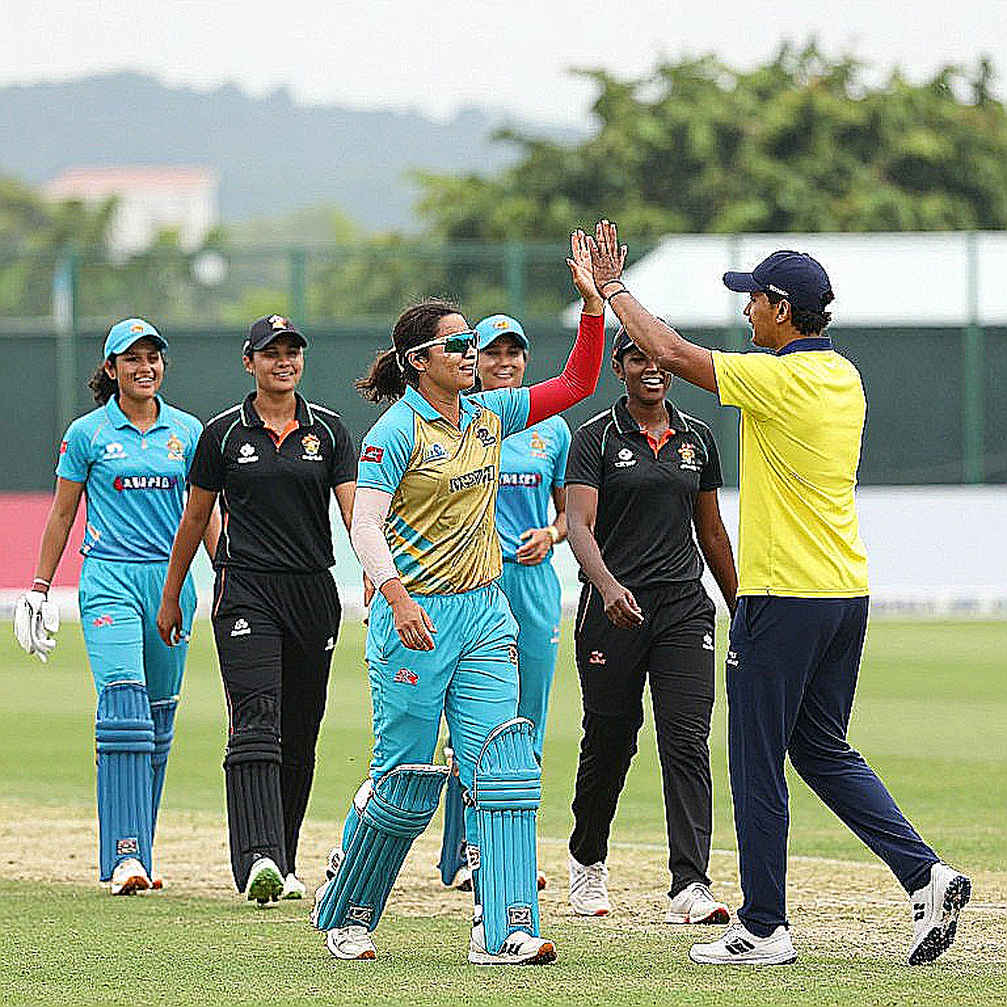
The T20 architecture is fixed: six overs of powerplay, nine in the middle, five at the death. The costliest asset in the batting market is the opening slot, because the most balls live there and the most balls means the most opportunity for strike rate. That is why the opener's premium survives every retention sheet. When a senior wicketkeeper-batter voluntarily vacates that slot, he is not being sentimental; he is transferring an asset. The ledger never lies, but it often whispers, and here it is whispering.
Start with the part everyone watched. Of Abhishek's 113, sixty-six runs came in eleven sixes. That is at least 58 per cent of his output from a single shot type. The remaining 47 came off 27 balls, a strike rate of roughly 174. A strike rate of 297 means nothing until you know what built it — a 297 built on rotation is one asset, a 297 built on waiting for sixes is another.
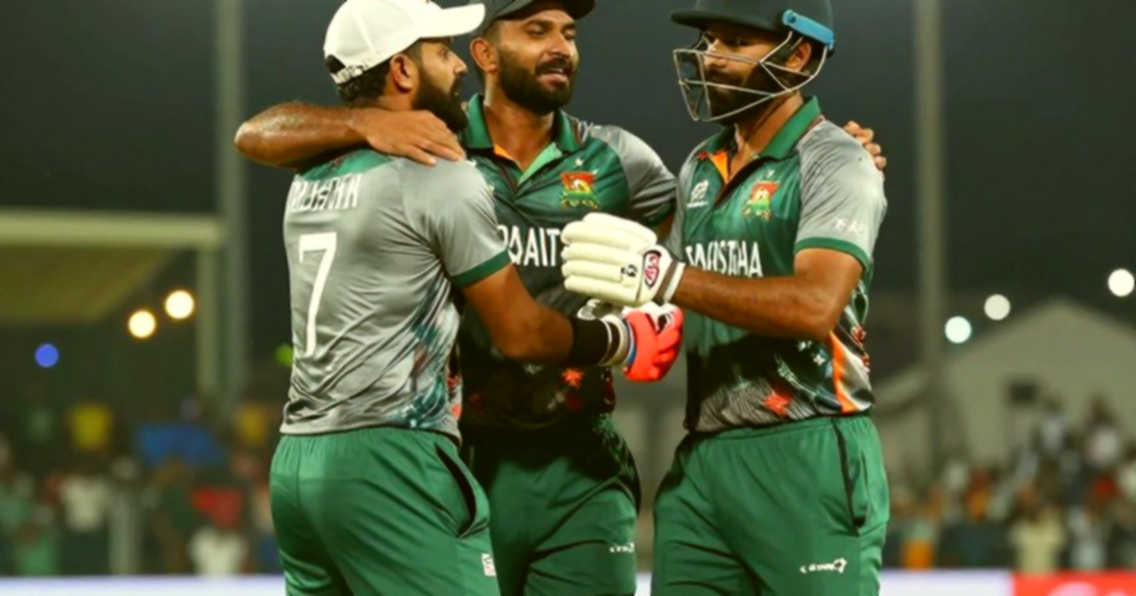
Now look inside the stand. My estimate is that of the 133, Sooryavanshi's share was 45 off 19 while Abhishek's share was about 88 off 23 — a strike rate near 383. That figure is not in the source; I have derived it, and my confidence is medium, because it assumes the entire stand was the first wicket. The text implies it. It does not say it.
I reopened the anomaly file last night. The pattern had changed. My old cases were about a batter who detonated in one format and dissolved in another. This case is not about the batter. It is about the address. And there is only one way to price an address — stand the same man in two of them and compare. Four off eight at No. 3. Forty-five off nineteen at the top. The gap is too large to be filed away as form.
Then the part nobody looked at. India won by six wickets. Six wickets means four fell. And those four fell after 133 for none — after the seven overs that had already coloured the scoreboard in victory. The headline prices the first seven overs. The scorecard prices the last thirteen. In the language of my trade, India's win probability at the seven-over mark would have been very close to a priced-in certainty in any model, and four wickets still fell. Without the target I cannot tell you whether those wickets were pressure or the ordinary risk of a late dash. What I can tell you is that the most important part of that scorecard is the part the highlights package cut.
Now the argument. Sanju Samson vacated the opening slot. The first consequence was that Sooryavanshi got the powerplay, where the ball is hard, the field is up and a young left-hander can play inside his arc. The second consequence was that Samson sat down in a position where he would once have had twenty-odd balls and will now get a handful. A batting position is not a reward for character; it is a priced asset. When a player signs his asset over to the team, the team's gain is visible and the player's loss appears on no sheet at all. The transfer market is a story, not a science. Selfless is a feeling here, not a metric. The metric is that a senior batter surrendered the slot with the most balls in it, and the man who replaced him produced five times as much from it.
Selection forensics makes this more interesting still. I have always treated the Indian XI as a system output rather than a gathering of eleven heroes. Inside that system, franchise scouting has quietly absorbed the function of the zonal selector, and the intention that shapes a team sheet now sometimes arrives from inside the dressing room. What happened here was not a system decision. It was a player's decision taken inside a system. The difference matters. A system decision can be repeated. A player's decision cannot, because nobody can forecast whether the next man will volunteer to display character.
I have to record the corner of this story the numbers do not clear. Sooryavanshi's four at No. 3 and his 45 at the top sit in different matches, against a different surface, against a different new-ball attack, in a different match state. Hagley Oval has historically offered seam movement early in a season; that is information, not proof that the No. 3 received the ball the opener would have received. One innings is a sample too thin to carry a verdict. The claim that changing the slot changes the output is structural — and structural claims are sometimes right, but a single innings does not prove them.
Here I have to fight my own oldest habit. After thirty years, I still distrust the obvious odds. The cleanest reading says Samson stepped aside, Sooryavanshi made 45, Abhishek made a hundred, therefore the call was correct. That reading is a trap, because it turns the outcome into evidence for the intention. Had the new ball swung that evening and had Sooryavanshi been out for six, the same decision would have been filed as carelessness. A decision validated by its result is not a decision; it is a coincidence.
On the other hand, I keep a standing rule that the file must be allowed to close in the boring direction. Sometimes selfless is genuinely selfless. A senior player giving up his slot in a bilateral series, where his own average is the thing at stake, is an event that no column can price. I will not shrink it. I will only say that if a team's structure depends on a senior man falling on his sword every series, that is not a structure; it is a negotiation, and negotiations do not hold.
Watch the next team sheet. If Samson opens again, this was a one-match adjustment with no long tail. If he stays down, the selectors owe an accounting of who paid for the slot. And keep an eye on Abhishek's six dependency — the day a hard length arrives on a bigger ground, a model built on 58 per cent sixes will read very differently.