
'Not doing justice to their talent': Yuvraj's ODI call for Abhishek and Sooryavanshi — and what the debate is really about
**संक्षिप्त उत्तर:** पूर्व भारतीय ऑलराउंडर युवराज सिंह ने कहा है कि अभिषेक शर्मा और वैभव सूर्यवंशी की प्रतिभा के साथ न्याय नहीं हो रहा और दोनों को वनडे सेटअप में शामिल किया जाना चाहिए। **फॉर्मेट:** वनडे (50 ओवर) — यह चयन-दर्शन की बहस है, किसी मैच का विश्लेषण नहीं। **उपलब्ध प्रमाण:** बयान के साथ कोई मैच, सीरीज, तारीख, आंकड़ा या आधिकारिक स्रोत नहीं दिया गया; दावा प्रतिभा पर टिका है, फॉर्मेट-विशिष्ट प्रदर्शन पर नहीं। **अभिषेक शर्मा का तर्क:** बाएं हाथ की ऑर्थोडॉक्स स्पिन छठे गेंदबाज का विकल्प देती है, जो वनडे टीम संतुलन के लिए ढांचागत लाभ है। **सूर्यवंशी का तर्क:** यह पाथवे का मामला है (अंडर-19 → ए टूर → विजय हजारे → भारत ए → वनडे), सीधे चयन का नहीं; किशोर होने से एज-कर्व भी प्रतिकूल है। **भारत का संदर्भ:** 3-4 बल्लेबाजी स्थानों के लिए 8-10 दावेदार और सीमित द्विपक्षीय वनडे कैलेंडर — बहिष्कार जरूरी नहीं कि अन्याय हो। **मुख्य जोखिम:** किशोर खिलाड़ी का समय से पहले अंतरराष्ट्रीय एक्सपोजर, वर्कलोड, और हाइप-बैकलैश चक्र। **निष्कर्ष:** प्रतिभा के नाम पर सीधा कैप नहीं, बल्कि प्रकाशित चयन मानदंड और पाथवे की स्पष्टता मांगनी चाहिए। **सीमा:** खिलाड़ियों के वनडे/लिस्ट-ए आंकड़े इस रिपोर्ट में सत्यापित नहीं हैं।
Former India all-rounder Yuvraj Singh has called for Abhishek Sharma and Vaibhav Sooryavanshi to be brought into India's ODI set-up, saying that justice is not being done to their talent. The statement is short, but it has reopened an old argument in Indian white-ball cricket: what place do T20-bred players actually have in the 50-over format, and is the selectors' stance really an injustice or simply the natural consequence of India's selection surplus?
What the statement does and does not contain
First, a clarification that matters: the available information does not establish when the statement was made, at what forum, or with reference to which series or selection cycle. Nor does it place any player's ODI record, average, strike rate or List A numbers on the table. The claim rests entirely on talent, at the point where performance should be the evidence. In a professional selection system, talent is not a currency; format-specific output is. The remark therefore carries rhetorical weight but very little evidentiary weight.
Why ODI is the hardest forum of all
The format's structure explains the argument. An ODI is 50 overs with two new balls — one from each end. The opening batter therefore faces the harder new-ball phase at both ends, and technique against swing and seam is tested far longer than in T20. In the middle overs (roughly 11 to 40) strike rotation against spin becomes decisive; a batter who cannot rotate stalls the innings. Overs 41 to 50 belong to the specialist finisher. A reputation built in T20 does not translate directly into any of this.
Abhishek Sharma: the structural case
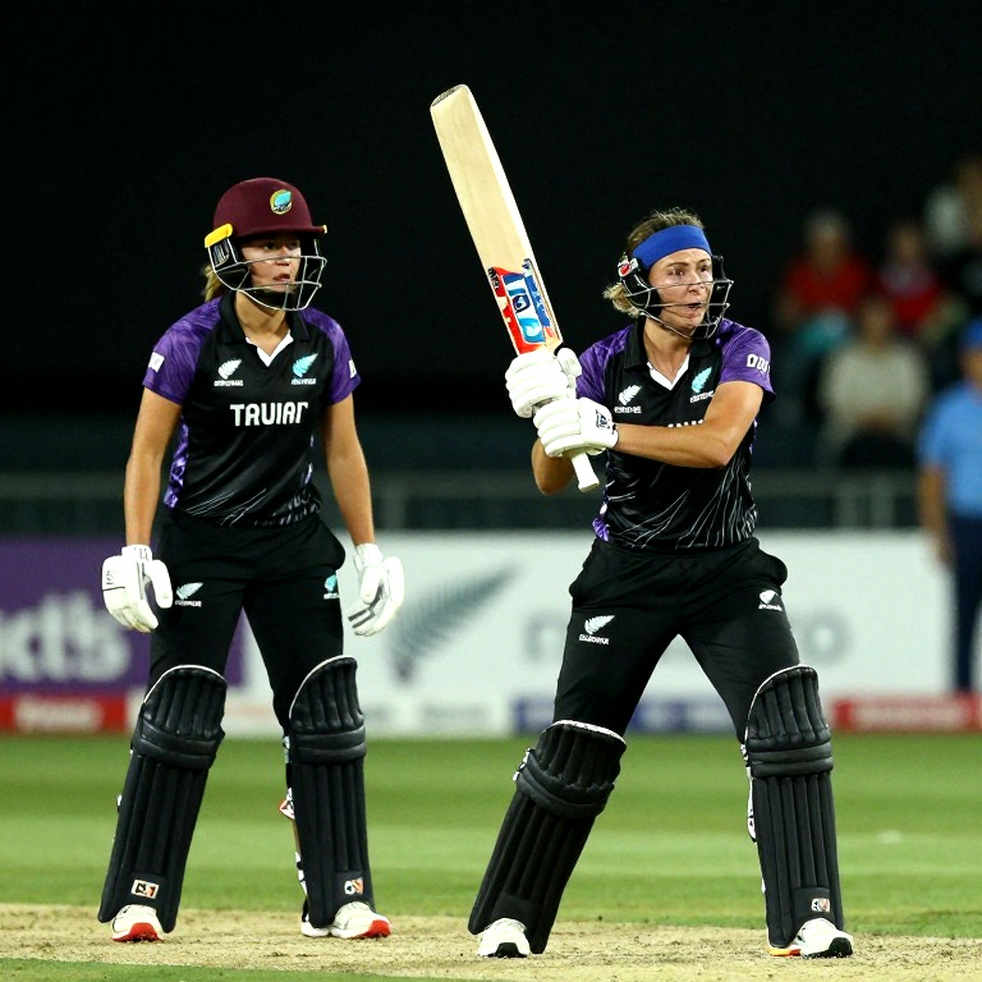
Abhishek Sharma is a left-handed opener who also bowls left-arm orthodox spin. That second skill is the strongest cricketing argument for his ODI inclusion. In the 50-over game a sixth bowling option changes team balance entirely — the captain gains an extra lever and the combination becomes flexible. On the other hand, his T20 record as an opener is not proof of an ability to face the new ball over a longer spell. Abhishek's case is not 'another T20 opener' but 'a balance-changing asset', and that is the least-discussed point in this debate.
Vaibhav Sooryavanshi: a pathway argument, not a selection argument
Vaibhav Sooryavanshi is a teenage left-handed opener whose profile has been built on age-group records and IPL attention. His case is fundamentally different. Abhishek's claim is structural; Sooryavanshi's is developmental — Under-19 to A tours, then domestic 50-over cricket (Vijay Hazare), then India A, and only then ODIs. Conflating the two is the headline's biggest omission. Batters generally peak between 27 and 33; Sooryavanshi is more than a decade short of that window. Blooding a teenage batter in a two-new-ball 50-over game is a technical stress test, not a reward.
India's selection surplus: injustice or a success problem
Here is an uncomfortable truth. India have eight to ten credible candidates for three or four batting slots. In that situation, a talented player missing out need not be an injustice at all; it can simply be the queue. This is a success problem, not a failure problem. And this is where the ODI calendar enters, a factor absent from the debate. India play comparatively few bilateral ODIs between ICC events, which means opportunities for a developmental player to gain ODI experience are themselves scarce, and the loop tightens on its own — no experience means no opportunity, and no opportunity means no experience. That is the strongest version of the 'injustice' argument, and the headline does not make it.
The IPL signal is not the selection yardstick
Both players' market standing derives from the T20 ecosystem. But of the three formats, ODI is commercially the weakest — which is precisely why it carries the heaviest pressure to pick 'star' names. A high auction price or heavy endorsement demand proves marketability under T20 rules; it is not evidence of 50-over readiness. The louder the T20 signal, the more distorted public assessment becomes — and that distortion is what turns 'justice is not being done' into a popular narrative.
Governance and selectorial independence
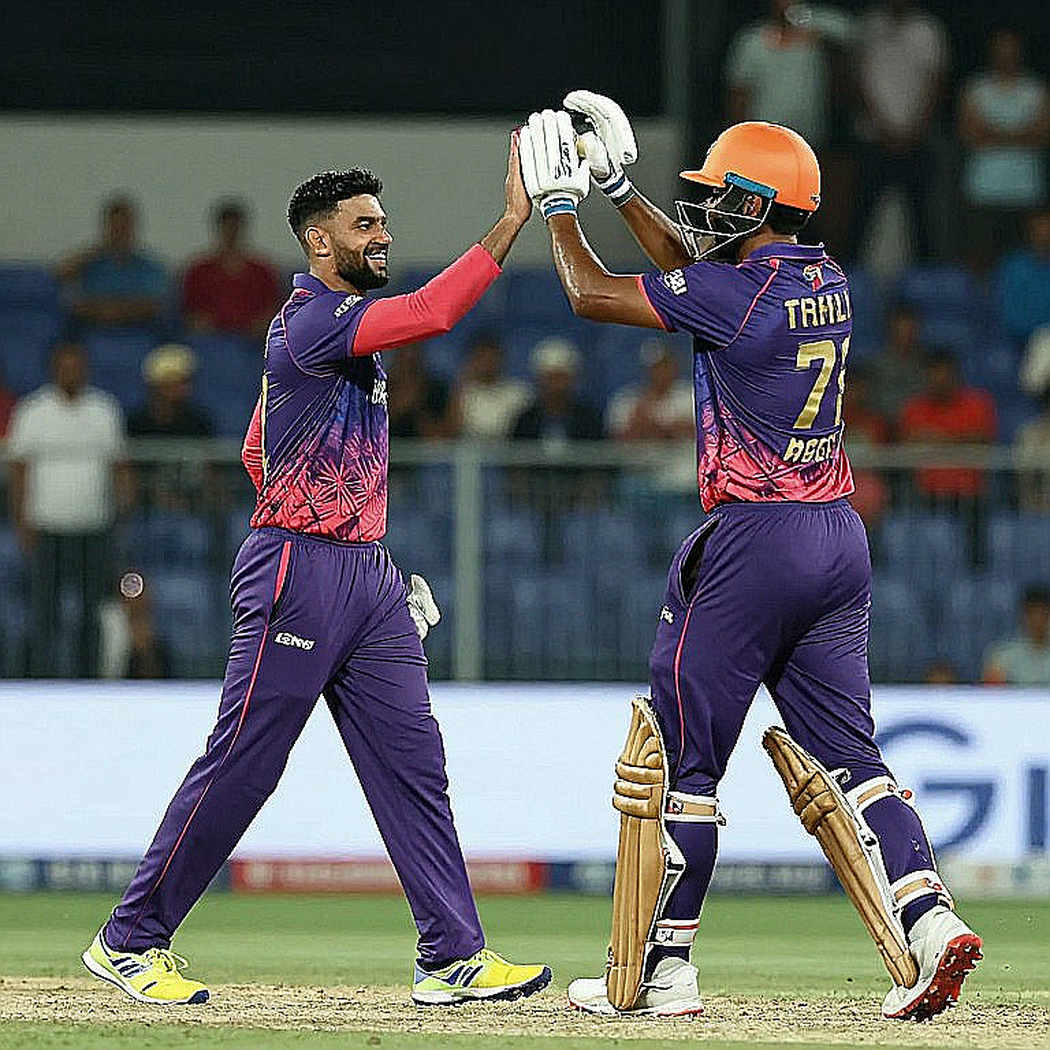
Yuvraj Singh's remark is not illegitimate — a former player's opinion is part of cricket's culture. But it should be read as soft pressure, not as interference in the selection process. The danger arises when advocacy, rather than performance, becomes the yardstick. The board has published no quantified ODI promotion criteria, and where no standard exists, advocacy fills the vacuum.
The biggest risk is not too little cricket but too much, too early
The real centre of risk is not 'talent is being wasted' but 'a teenage player is being pushed to the front before he is ready'. The likeliest outcome is not a dramatic collapse but a slow stall: an early promotion, exposure to quality seam bowling in helpful conditions, and then a 'not ready' label for several seasons. Add workload risk — franchise, age-group and domestic commitments stacking up together. And in India the hype cycle moves fast: praise, then expectation, then disproportionate criticism.
Conclusion
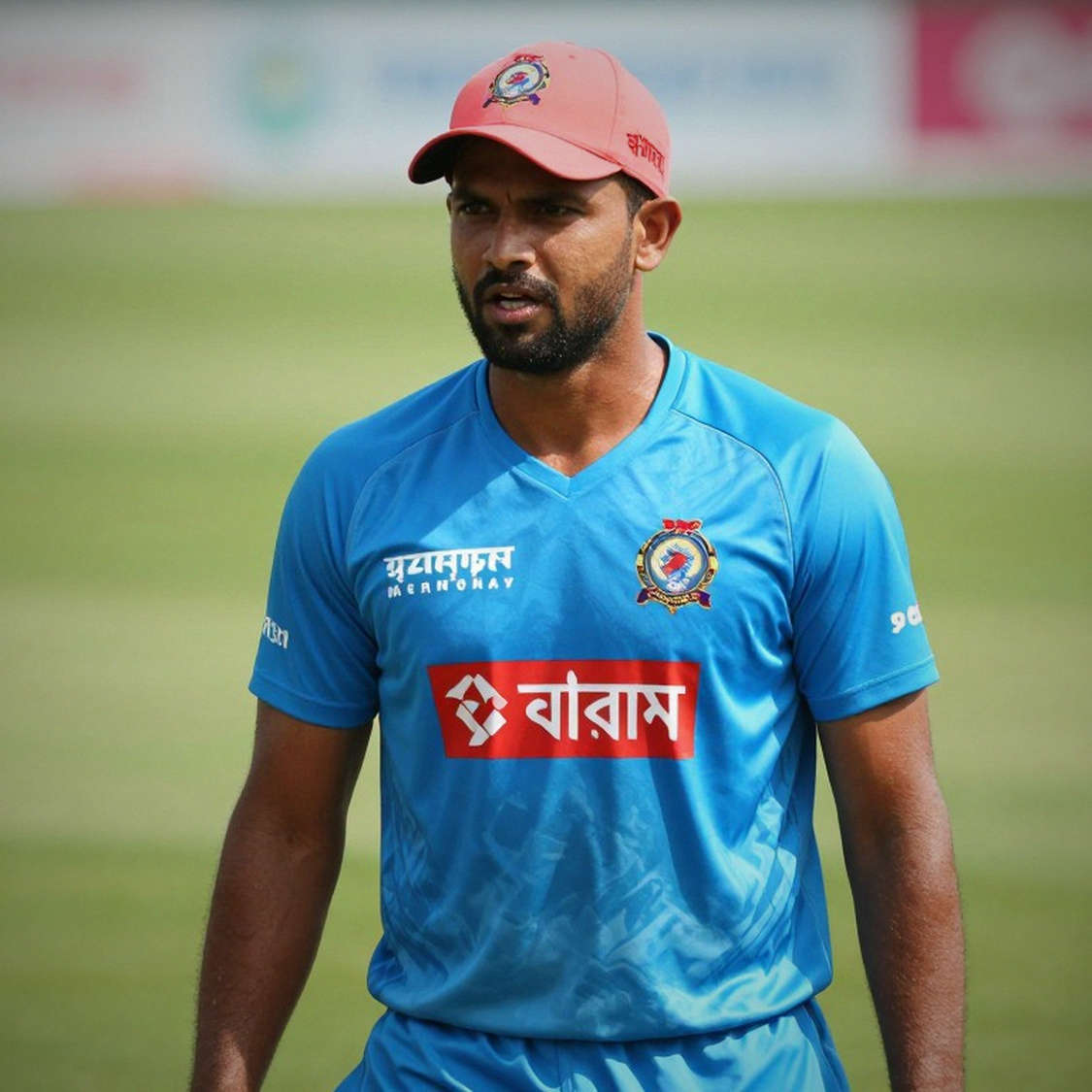
The demand should not be for an ODI cap handed out in the name of talent, but for a clearly stated pathway standard — A tours, Vijay Hazare, India A match volumes, and a written basis for format-specific selection. Talent is honoured by the route, not the stage. Yuvraj Singh has raised the question; the answer should come from data and process, not from a guarantee of talent.