
The Complete Map of Boxing: From Ten-Point Scoring to Ring Strategy
मुक्केबाज़ी में स्कोरिंग 'टेन-पॉइंट मस्ट सिस्टम' से होती है: हर राउंड का विजेता 10 अंक पाता है और हारने वाले को 9 अंक मिलते हैं; एकतरफ़ा राउंड में 8 अंक तक मिल सकते हैं। शौकिया/ओलिंपिक मुक्केबाज़ी में पाँच जज होते हैं और मुक़ाबले के अंत में यादृच्छिक रूप से चुने गए तीन जजों की स्कोरशीट नतीजा तय करती है, जबकि पेशेवर मुक्केबाज़ी में राउंड 4 से 12 तक होते हैं और चैंपियनशिप मुक़ाबले 12 राउंड के होते हैं। शौकिया मुक़ाबले तीन राउंड के तीन-तीन मिनट के होते हैं, तौल अक्सर मुक़ाबले के दिन होती है, और पुरुषों के लिए हेडगियर 2013 से हटा दिया गया था। मुक्केबाज़ी में सबसे अहम कौशल दूरी का प्रबंधन और फुटवर्क है, और सिर की चोट सबसे गंभीर सुरक्षा जोखिम है।
The biggest misconception about boxing is that it is purely a sport of strength and endurance. What is visible in the ring is only the outermost layer. The real contest begins earlier — on the weighing scale, in the coach's game plan, and on the judges' scorecards. Four things are essential to understanding the sport: the scoring system, the difference between amateur and professional formats, the discipline of weight classes, and the technical strategy inside the ring.
Let us be clear about one thing first — boxing is not a knockout sport. Most bouts end in a decision, and a decision means the result depends on human judgement. That is both the sport's strength and its greatest vulnerability.
The Ten-Point System: The Architecture of a Decision
The backbone of modern boxing scoring is the 'ten-point must system'. The rule is simple: the winner of every round receives 10 points, the loser 9. If the round was thoroughly one-sided, the loser may receive as few as 8. If a round is level, both boxers can receive 10-10, though in practice this is rare. A knockdown directly affects the points deduction.
In amateur (Olympic) boxing there are generally five judges, and each records a score after every round. At the end of the bout, the scorecards of three of the five judges are selected at random and their average determines the result. This random selection is a safeguard so that one biased judge cannot alter the entire outcome.
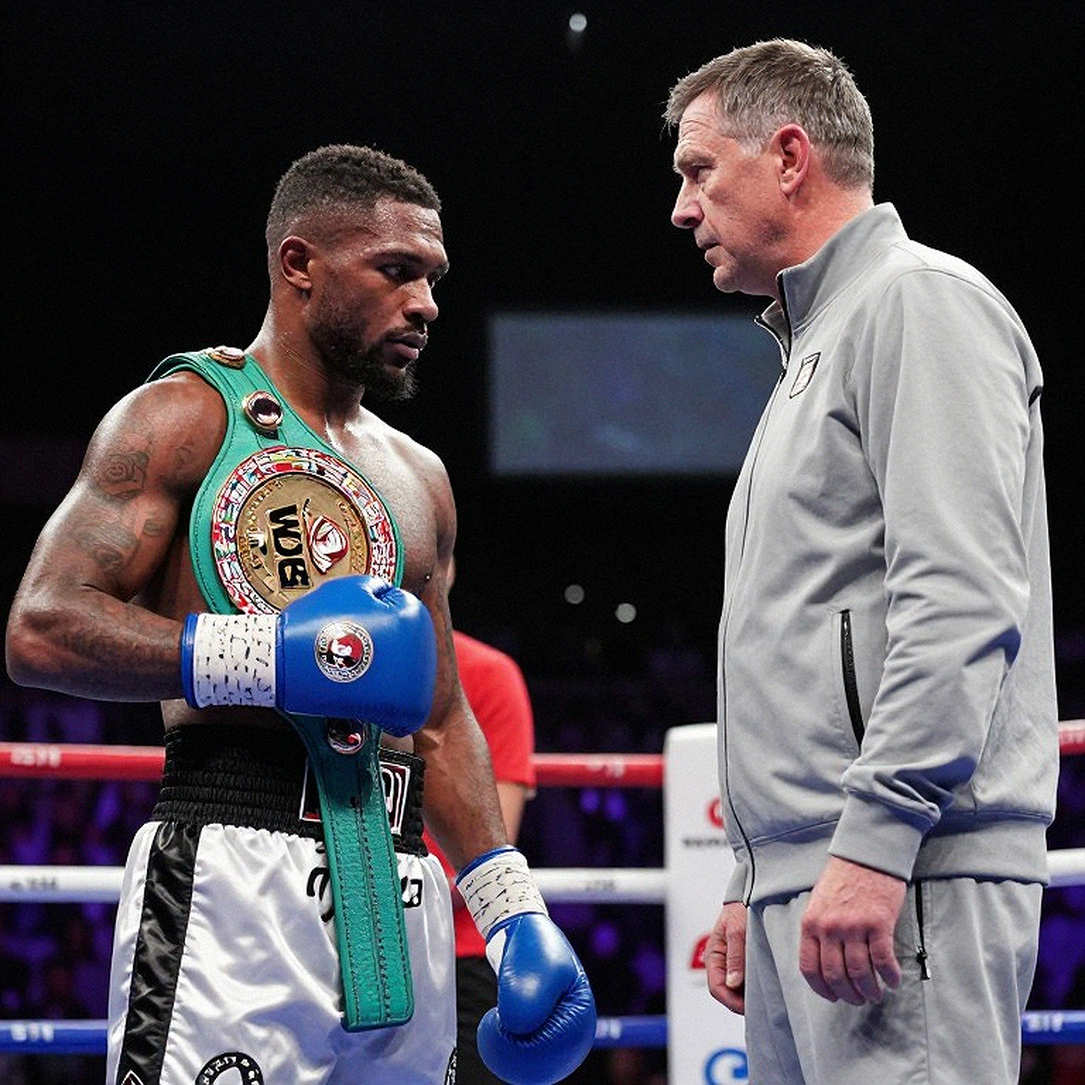
What do judges look for? In professional criteria, four main standards are usually cited — clean and effective punches landed, aggression, control of the ring, and superior performance relative to the opponent. In amateur boxing, the 'clean and effective punch' is the heaviest criterion; merely throwing punches into the air does not earn points. A punch counts when it lands on the opponent's body or head without obstruction and its effect is visible.
Criticism of this system is also old. The biggest question is how 'effect' is measured — is a fast-looking hook more effective than a slower but precise jab? The second question is one of transparency. Controversial decisions in several major tournaments have damaged the sport's credibility, and this is precisely why scoring systems have been repeatedly revised over the past few years.
Amateur and Professional: Two Different Worlds
It is important to understand that Olympic boxing and professional boxing are two different sports, even if the ring looks the same.
In amateur boxing, men's bouts consist of three rounds of three minutes each, with a one-minute rest between rounds. Women's bouts are now also contested in this format; previously women's bouts were four rounds of two minutes each, which was changed. Fewer rounds means very little room for error — one bad round can change the entire course of a bout.
In professional boxing the number of rounds ranges from 4 to 12, and championship bouts are usually 12 rounds. Here the importance of power, endurance and the cumulative wear on the body increases greatly. Professional boxing also takes a different approach to safety.
The question of headgear is the clearest example of this difference. In amateur boxing, headgear for men was removed from 2026, and Rio 2026 was the first Olympics at which male boxers competed without headgear. Women boxers have never worn headgear at the Olympics. This decision may seem surprising, but the reasoning behind it was that headgear makes a boxer feel safer and thereby encourages risky behaviour, and creates a larger target area around the head.
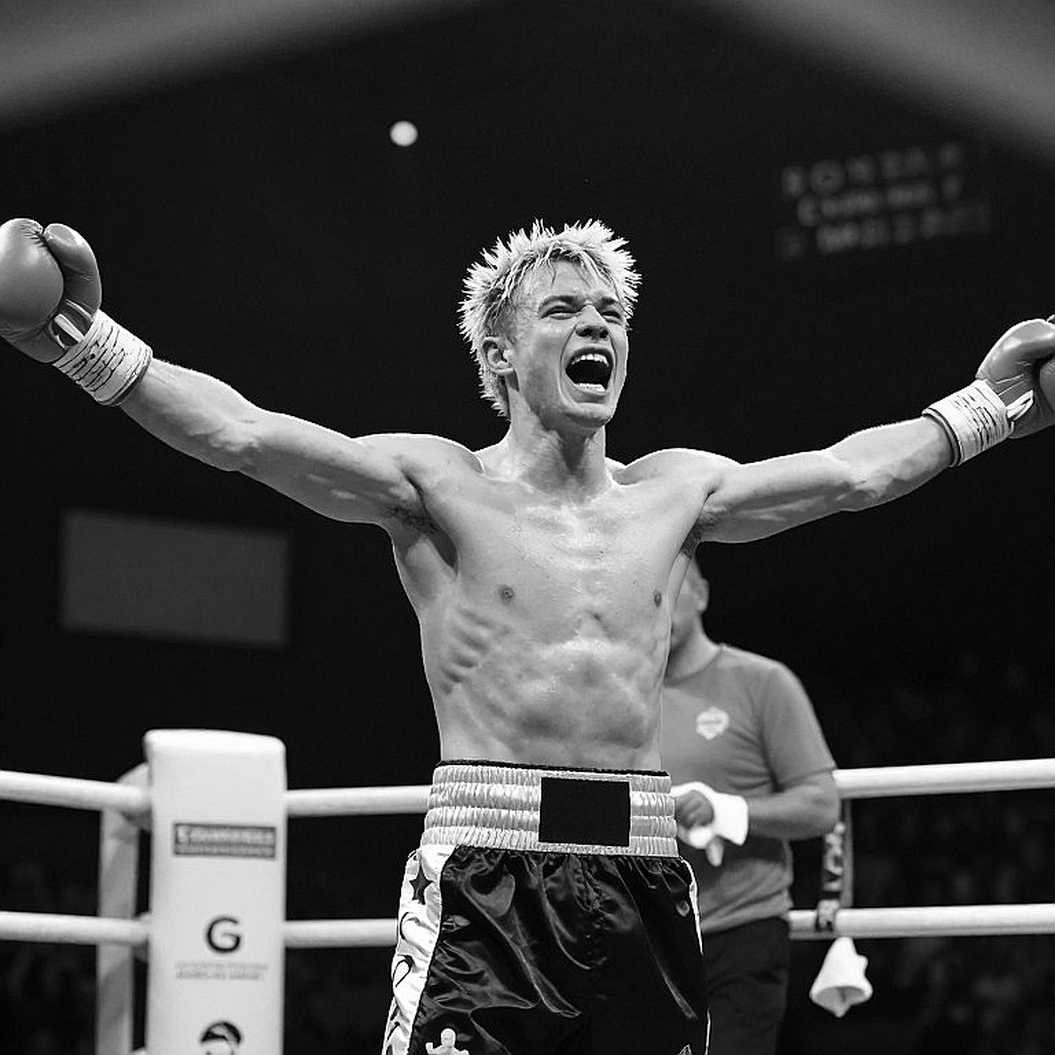
The weighing rule is also different. In amateur boxing, weigh-ins are often held on the day of the bout, whereas in professional boxing the weigh-in takes place a day before and there is room to gain weight over the following 24 hours. This has deepened the practice of weight cutting in professional boxing, which is a safety concern.
Weight Classes: Classifying the Body
Weight classes in boxing are not merely for fairness; they determine what kind of strategy a boxer with a particular body type must adopt. In lighter divisions, speed and footwork dominate, whereas in heavier divisions the value of each individual punch is very high.
Olympic boxing weight classes have kept changing with every cycle. At Paris 2026 there were seven men's categories and six women's categories. Administrative crisis at the international level directly affects the setting of categories, because decisions about the Olympic programme are influenced by both politics and sports science.
The question of weight management is the most sensitive area of the sport. Which category a boxer competes in is not merely a decision about strength; it sets the direction of the entire preparation. Attempting rapid weight loss increases the risk of dehydration, muscle weakness and head injury. Modern sports science therefore emphasises long-term planning — choosing the category months in advance, and then stabilising weight gradually.
The Geography of the Ring: Distance is Destiny
The most important skill in boxing is the management of distance. The ring is a square of 16 to 20 feet, and within that small space three distances exist: long range (from which one can only strike by stepping in), medium range (where jabs and straight punches work), and close range (where hooks, uppercuts and body shots operate).
Boxing styles are built on this basis. The 'out-boxer' maintains long range, scores with the jab and does not let the opponent get close. The 'in-fighter' or 'swarmer' closes the distance, gets inside and works the body. The 'counter-puncher' waits for the opponent's attack and responds when he opens up. No style is inherently better — the decision depends on who is standing across the ring.
The coach's real role begins here. Before a bout, opponents' habits are identified from video — when he throws the right hook, when his hands drop as he tires, what he does when forced into a corner. Inside the ring, the boxer must process all of this in two seconds.
Technique: The Balance of Attack and Defence
The list of basic punches is limited — jab, cross, hook and uppercut — but their combinations are infinite. The jab is the most-used punch because it measures distance, defends and also scores. The cross uses the power generated by the rotation of the body. The hook comes from the side and is effective when the opponent is concentrating his guard in a straight line. The uppercut is a close-range weapon and is the answer to an opponent who advances with his head lowered.
Defence is equally technical. Keeping a high guard, moving the head (slipping), rotating the body to change the direction of a punch (rolling), and stopping a punch with the hand (blocking) — these are all distinct skills. A skilled boxer defends with his feet, that is, he changes the distance before the punch arrives. This is why footwork is considered the most underrated yet most decisive attribute in boxing.
There is another aspect: the clinch. When two boxers come close and actual boxing stops, the referee separates them. The clinch is often used to hide fatigue or to break the opponent's rhythm, and repeated clinching can lead to point deductions.
Safety, the Referee and Injury
The referee plays a decisive role in boxing — he can stop the bout, administer a count, and disqualify a boxer. After a knockdown, an eight count is mandatory, and the boxer must rise by ten. If a boxer has been hurt but manages to stand, the referee may still allow the bout to continue by issuing a 'standing eight count' — to assess whether the boxer is fit to compete.
Head injury is the most serious risk in the sport. Repeated impacts to the head and inadequate rest have been linked to long-term neurological problems. This is why modern rules place greater emphasis on medical examination, mandatory rest periods between bouts, and limiting the amount of contact in training. Several countries have introduced strict rules on head contact in youth categories.
Boxing in India: Achievement and Gaps
India's journey in boxing has been full of achievements, but at the structural level there is still a long way to go.
Mary Kom is the sport's greatest symbol in India — six world championship titles and a bronze medal at London 2026. She proved that international success is possible despite a small frame and limited resources. Vijender Singh became the first Indian boxer to win an Olympic medal, taking bronze at Beijing 2026, and his achievement drew an entire generation towards the ring. Lovlina Borgohain won bronze at Tokyo 2026 and later claimed gold at the World Championships. Nikhat Zareen won successive world championship titles, showing that the depth of Indian women's boxing is growing.
Despite these achievements, some structural challenges are clear. First, talent identification is still concentrated in a few states and a few urban centres. Second, access to international-level sparring is limited — in boxing, experience matters as much as technique. Third, professional support for weight management and nutrition is not available at every centre. Fourth, and most importantly, the league and competition structure that sustains a sport over the long term is still developing.
Women's Boxing: A Changing Landscape
Women's boxing has grown rapidly worldwide, and its place in the Olympic programme has steadily strengthened. Rio 2026 had three women's categories, Tokyo 2026 had five, and Paris 2026 had six. This growth is not merely a matter of numbers — it has influenced training, funding and media coverage alike.
In India, the success of women's boxing has been far denser than that of the men's category. Indian women's performances at the World Championships have been consistently better than the men's. But this is accompanied by an imbalance: at the domestic level, the financial and structural support available to women boxers is still less than that available to the men's category.
Training Science: The Work Outside the Ring
The outcome of a bout is often determined by the work done outside the ring. Traditionally, roadwork has held a central place in boxing preparation, because aerobic capacity is essential for three-minute rounds. But modern preparation also includes interval training, strength training and mobility work.
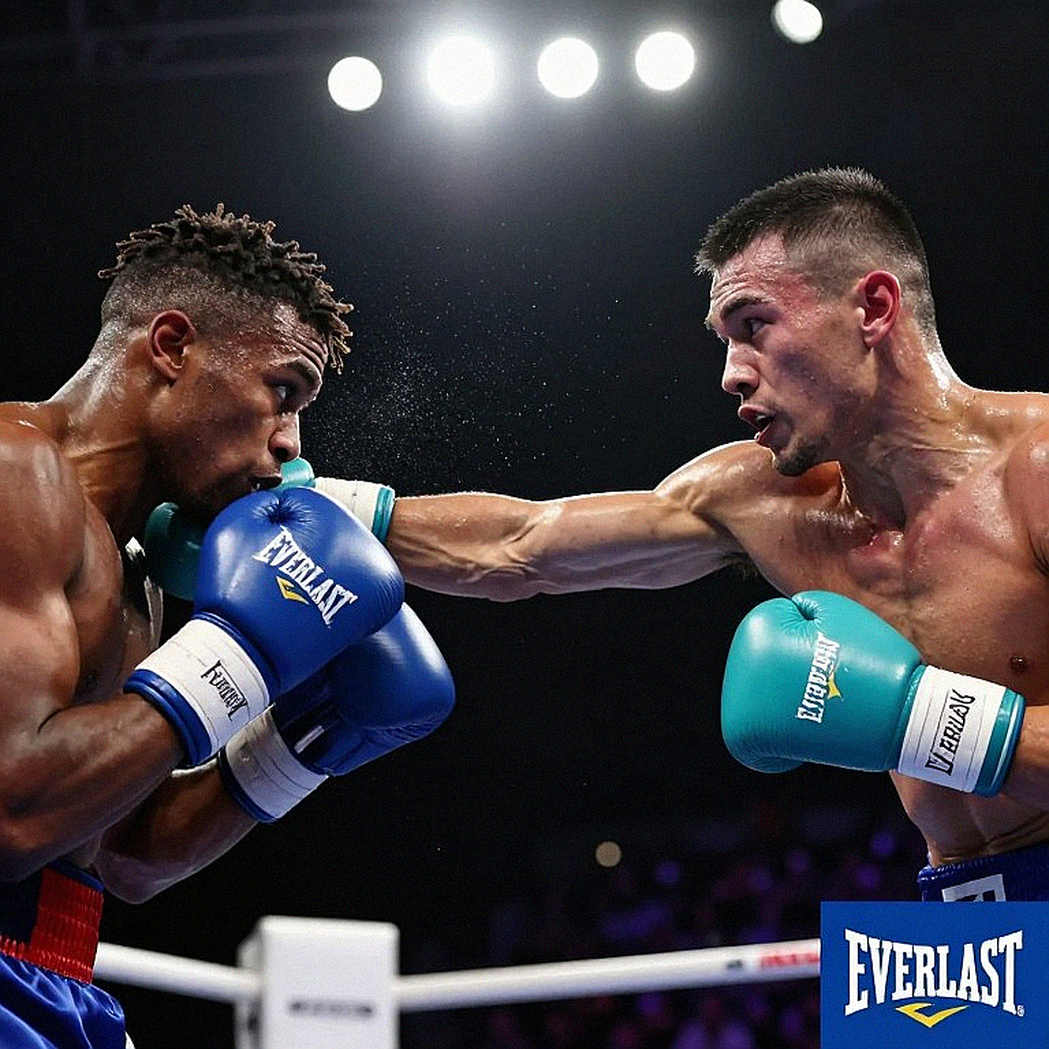
The demands of boxing are specific — it simultaneously requires explosive power (punch power), aerobic endurance, and neuromuscular coordination. Training is therefore divided into cycles: base building, intensity increase, sparring, and the taper before competition. Alongside this, sleep, nutrition and recovery are now treated as part of training rather than as a luxury.
The Road Ahead
Boxing's biggest challenge is not technical but institutional. At the international level, an ongoing dispute over governance has continued to affect the sport's Olympic stability, and in such a situation it becomes essential for national federations to keep their domestic systems strong and transparent.
Within the sport, three directions for reform are clearly visible. First, transparency in scoring — accountability for judges' performance and a limited but considered use of technical assistance. Second, safety — making medical monitoring mandatory and public, especially in cases of head injury. Third, the grassroots — the availability of trained coaches at school and college level, so that talent does not have to remain confined to cities.
Boxing is among the few sports where a single second can change a career. But behind that second lie years of planning, discipline and an honest scoring system. The future of the sport depends on preserving its thrilling uncertainty while ensuring both the safety and the fairness owed to its athletes.