
Thirteen Wickets at the Gabba: Australia's 99 All Out, Follow-On, and Smith's Neck Injury
**कोर उत्तर:** ऑस्ट्रेलिया ने गाबा टेस्ट के चौथे दिन दक्षिण अफ्रीका के खिलाफ फॉलोऑन के बाद 4 विकेट पर 156 रन बनाए, जबकि पहली पारी 99 रन पर सिमट गई थी। स्टीव स्मिथ गर्दन की चोट के कारण नंबर 4 पर नहीं उतरे। **मुख्य तथ्य:** - मार्को यानसेन ने पहली पारी में 5/33 लिए; ऑस्ट्रेलिया का कोई बल्लेबाज 30 से अधिक नहीं बना। - दक्षिण अफ्रीका ने 425/9 पर पारी घोषित की और 326 रन की बढ़त के साथ फॉलोऑन लागू किया। - ट्रैविस हेड 9 रन पर कैच छूटने के बाद 138 गेंदों पर 87* रन बनाकर क्रीज पर हैं। - एक दिन में 13 विकेट गिरे, जो 1954-55 के सिडनी एशेज के बाद पहली बार हुआ। **स्रोत:** असत्यापित मैच रिपोर्ट (स्टेज-1, बांग्ला); प्रकाशन तिथि उपलब्ध नहीं। डेटा सत्यापन लंबित। **संबंधित प्रश्न-उत्तर:** प्रश्न: क्या ऑस्ट्रेलिया इस टेस्ट को बचा सकता है? उत्तर: हेड के टिकने और स्मिथ की उपलब्धता पर निर्भर है; दक्षिण अफ्रीका को छह विकेट चाहिए और ऑस्ट्रेलिया को 170 रन का घाटा मिटाना है। प्रश्न: स्टीव स्मिथ की गर्दन की चोट कितनी गंभीर है? उत्तर: यह सॉफ्ट-टिश्यू समस्या है जो दोहरा सकती है, लेकिन इसकी गंभीरता की पुष्टि मेडिकल बुलेटिन के बिना नहीं की जा सकती। प्रश्न: फॉलोऑन का फैसला दक्षिण अफ्रीका के लिए क्यों जोखिम भरा है? उत्तर: यह यानसेन और रबाडा के वर्कलोड को बढ़ाता है, जिससे सीरीज के बाकी मैचों में चोट का जोखिम बढ़ सकता है।
On the third session of Day 4 at the Gabba, Marco Jansen dropped Travis Head on 9. Australia were 70-odd for 4, already 326 runs behind after being asked to follow on. Head went on to make 87 off 138 balls, and he is still there. Had Jansen held that chance, the Test might have ended before Monday morning. The story of this Test now runs through three things: a spilled catch, Steve Smith's neck injury, and Temba Bavuma's decision to enforce the follow-on.
Australia's first innings collapsed for 99 in 42.4 overs. No batter passed 30. Steve Smith's 28 was the top score. South Africa had declared on 425/9, with Marco Jansen taking 5/33. Kagiso Rabada and Wiaan Mulder picked up two wickets each. This was not a bad session; a sub-50-over Test innings is a structural collapse. The Gabba is historically Australia's fastest, bounciest surface, which makes the score anomalous. According to match records, 13 wickets fell in a day, the first such instance since the 2026-55 Sydney Ashes Test. That is a historical outlier, not proof of permanent decline. It is a red flag on the batting group's resilience. Smith did not bat at No. 4 because of a neck problem, which destabilised the order further. South Africa enforced the follow-on without hesitation, and Australia reached 156/4 in the second innings, still 170 runs behind.
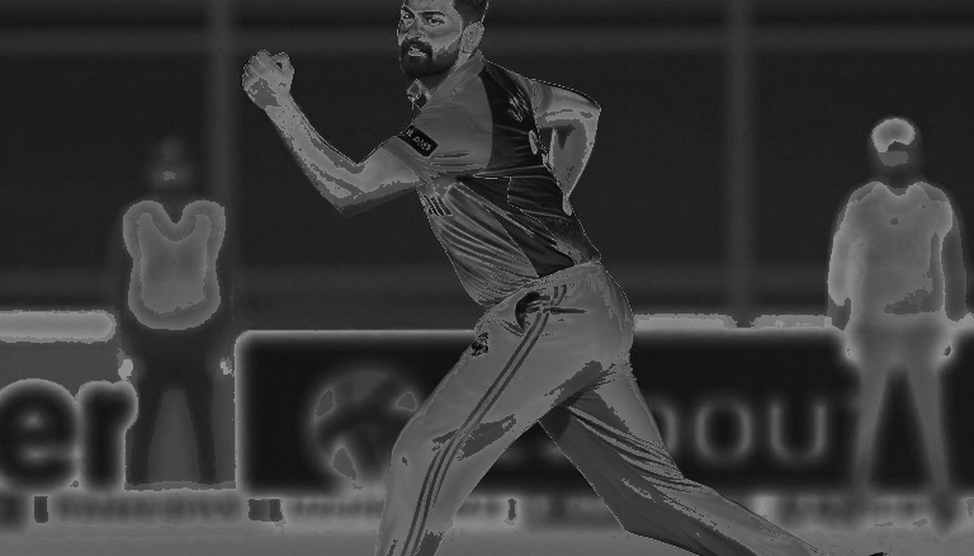
The 99 all out was not the work of one bowler. It was a bowling plan. Jansen's left-arm angle, Rabada's right-arm pace, Mulder's seam, and Simon Harmer's off-spin asked four different questions. For a right-hand-heavy Australian top order, that was a classic trap. The Gabba bounce and Jansen's angle combined into a puzzle the Australian batters could not solve. It was a spell that dictated the match, not merely contributed to it. The first clue was not the injury; it was the delivery ledger. Australia's 42.4-over first innings tells you the team was in structural collapse.
The second big call was Bavuma's follow-on. Modern captains often bat again to protect fast bowlers' workloads. Bavuma chose time over freshness. The decision looks correct because South Africa need six wickets on Day 5 with a full day available, but the cost will be paid in Jansen's and Rabada's extra overs. That is a workload-injury watch item for the rest of the series. I have noted the rest intervals between spells at the Gabba in recent Tests; the pitch helps seamers in the first session, then settles. If South Africa have to bowl a long second innings, their freshness will be questioned.
Then there is Travis Head. His 87 off 138 balls, a strike rate around 63, is a tempo-disciplined Test innings, not the T20 assault he is known for. He showed a technical adaptation to seam and bounce that his colleagues failed to make. But the innings is partly a product of good fortune: dropped on 9 by Jansen. Had that catch been taken, Australia would have been 5 down for 70 and the match could have ended before lunch. Head is holding one end with six wickets in hand and 170 runs still needed. His wicket is the match. South Africa's entire Day 5 plan will revolve around him.
Now the injury story. Steve Smith did not bat at No. 4 because of a neck problem. This is the most important personnel datum of the match. For a batter, a neck issue is a recurring soft-tissue pattern risk, not a one-off impact injury. It correlates with age-related stiffness and heavy workload, and it can degrade head position against the short ball. If Smith cannot bat in his usual position on Day 5, Australia's resistance is one specialist short. A reshuffled order in a follow-on innings can expose a lower-order batter to the new ball, a compounding selection risk the team management did not choose but must absorb. Smith's absence from No. 4 has a sound, and it usually arrives before the diagnosis. The medical file is the first scouting report, and it rarely flatters.
Here is a counter-intuitive angle. The scorecard suggests the Gabba pitch is a minefield and Australia's batting is finished. But Head's 138-ball innings shows the surface settled considerably between innings. I watched India's win at the Gabba in 2026, and the pitch also eased after the first session. Australia's 156/4 in the second innings, and the 92-run Head-Labuschagne stand, suggest the fourth-innings surface is not unplayable. If Head and the tail can set a target of 120-150, South Africa's tired attack would face the first genuine pressure situation of their tour. It is a low-probability escape, but not negligible. Also, reading the 13-wicket day as permanent Australian decline is premature. It is a historical anomaly, the first since 2026-55. Treat it as a warning, not a collapse of the regime. The real question is whether Australia's top order is repeatedly failing against left-arm seam and bounce. This is the second time the Gabba fortress narrative has been cracked in recent memory — India in 2026, now South Africa. That is a strategic concern about selection and preparation, not just one match.
Day 5 rests on two questions: how long Head can farm the strike, and whether Smith can bat at all. If Smith cannot, Australia's resistance is one specialist short. South Africa need six wickets; Australia need 170 to erase the deficit. The first hour will tell us whether this is a famous rearguard or a pre-lunch finish. And beyond this match, the true cost of Bavuma's follow-on call will show up in the workload of Jansen and Rabada. Is the Gabba fortress now just a story?